15 Questions to Ask Before Hiring an Awning Installer in Florida
Print this checklist and bring it to every quote. The answers will tell you who to hire — and who to avoid.
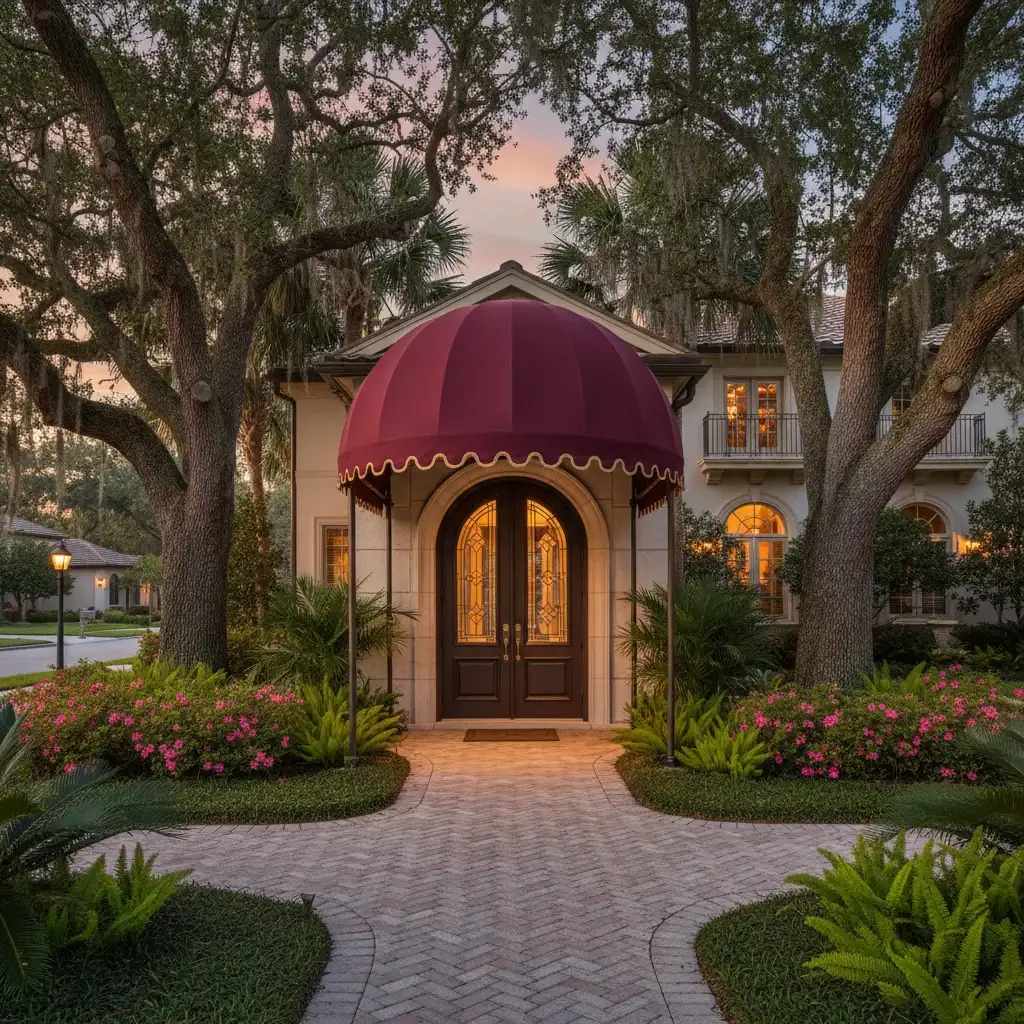
Most Florida homeowners only hire an awning installer once or twice in their lives — so it's easy to miss the questions that separate a solid installer from one that will cost you thousands in repairs, permit fines, or storm damage.
This is the checklist we'd use ourselves. Ask every question on this list to every installer you interview. Write their answers down. The differences tell you everything.
Quick tip
Good installers expect these questions and answer clearly. If an installer gets defensive, dodges, or gives vague answers — that's your answer. Move on.
Licensing & Insurance
#1. What is your Florida contractor license number?
Why it matters: Verify yourself at myfloridalicense.com. An unlicensed installer means no legal recourse if things go wrong.
#2. Can you show me proof of liability insurance and workers' comp?
Why it matters: If an uninsured worker is injured on your property, you could be personally liable. Minimum $500k liability; workers' comp required if they have employees.
#3. Are you registered with my local building department?
Why it matters: Required in most Florida counties. Confirms they regularly work in your area and know local code.
The Product
#4. What specific brand, model, and fabric are you proposing?
Why it matters: Vague answers ("we use a premium aluminum frame") usually mean a generic, lower-quality product. Get the exact manufacturer name, model number, and fabric grade in writing.
#5. What wind load is this awning engineered for?
Why it matters: Florida requires 140–170+ mph design wind speeds depending on county. Ask for engineering documentation matching or exceeding your county's requirement.
#6. Is the fabric mold- and mildew-resistant? What's the UV rating?
Why it matters: Florida's humidity and sun destroy low-grade fabrics in 2–3 years. Look for solution-dyed acrylic (Sunbrella, Dickson) with 98%+ UV block.
Installation Details
#7. How will you secure the awning to my wall type — stucco, block, wood, or Hardiplank?
Why it matters: Proper anchoring depends on construction. Improper stucco mounting causes water intrusion; block mounting needs expansion anchors; wood framing needs lag bolts into studs.
#8. Will the actual installer be your employee or a subcontractor?
Why it matters: Subcontractors may not carry the same insurance or follow the same workmanship standards. If subcontracted, ask for the subcontractor's license and insurance too.
#9. How long will installation take, and what does the crew need access to?
Why it matters: Sets expectations. A retractable awning typically takes 4–8 hours. Longer timelines often mean the installer is juggling jobs or the scope is larger than quoted.
Permits & Code
#10. Do you pull the permit, or do I?
Why it matters: Reputable installers include permits in the quote and handle the paperwork. "You pull it yourself" often signals an unlicensed installer or one trying to avoid accountability.
#11. Does this installation need HOA approval in my community?
Why it matters: Many Florida HOAs require pre-approval for exterior additions. Good installers ask about your HOA upfront and can provide documentation for submittal.
Warranty & Service
#12. What's the warranty on the awning itself, separate from your installation warranty?
Why it matters: You want two warranties in writing: the manufacturer's (fabric 5–10 yr, frame 10+) and the installer's workmanship warranty (1–5 yr).
#13. Do you service and repair after installation? What's your response time?
Why it matters: Florida storms damage awnings. You want an installer who'll come out for repairs — not one who takes your money and disappears.
Payment & Contract
#14. What's your deposit and payment schedule?
Why it matters: 30–50% deposit is standard. Florida law (§489.126) limits deposits in most cases. Walk away from full-payment-upfront demands.
#15. Can I get references from three recent jobs in my area?
Why it matters: Reputable installers volunteer local references. Call at least one. Drive by one if you can — awnings 2+ years old tell you far more than a showroom.
How to Use This Checklist
Print this page (or save it on your phone) before your first quote. Ask every question to every installer you interview — don't skip any, even if you feel awkward. A professional installer will appreciate a homeowner who's done their homework. An unprofessional one will bail, and that tells you what you need to know.
When you're comparing quotes side by side, the answers to these questions matter more than price. An installer who bids $500 less but can't produce a license or warranty terms isn't cheaper — they're a liability.
Red Flags That Should End the Conversation
- Refuses to provide a license number or insurance certificate
- Wants full payment upfront
- Suggests skipping the permit "to save money"
- Won't put warranty terms in writing
- Can't name the specific awning brand or fabric grade they're installing
- Pressures you to sign today with a "limited time" discount
- Gives a verbal quote only, no written contract
Related Guides
Frequently Asked Questions
What is the single most important question to ask an awning installer?
Ask for their Florida license number and verify it yourself at myfloridalicense.com before anything else. Everything else — warranty, price, materials — is meaningless if the installer is unlicensed, because you'll have no legal recourse and your homeowner's insurance may not cover damage from their work.
What wind load rating should a Florida awning be engineered for?
Florida building code requires awnings to meet wind load requirements based on your county. Coastal counties (Miami-Dade, Broward, Palm Beach, Monroe) require 170+ mph design wind speeds. Inland counties typically require 140–160 mph. Ask the installer to provide engineering documentation showing the awning meets or exceeds your county's requirement.
Should I pay the awning installer a deposit?
A 30–50% deposit is standard in Florida. Avoid any installer who demands full payment upfront — this is a major red flag. The remainder should be due on completion and your acceptance of the work. Florida law (§489.126) limits contractor deposits to 10% of the total contract unless the contractor meets specific requirements.
How long should an awning installer warranty their work?
Expect at least a 1–2 year workmanship warranty on the installation itself, separate from the product warranty on the awning. Premium installers offer 5-year workmanship warranties. The fabric should have a 5–10 year manufacturer warranty; frames 10+ years.
Do awning installers in Florida handle the permit?
Reputable installers include permitting in the quote and handle the application with your local building department. If an installer suggests skipping the permit to save money, walk away — unpermitted additions can create expensive problems at home resale and may void your insurance if damage occurs.
Find Awning Installers in Your Area
Browse verified awning installers in these popular Florida areas:
Skip the Guesswork — Get Pre-Vetted Installer Quotes
We only connect you with licensed, reviewed Florida awning companies. No unvetted contractors.
Get Free Quotes →