Florida Awning Permits & Building Codes
What Florida homeowners need to know about permits, wind codes, and regulations.
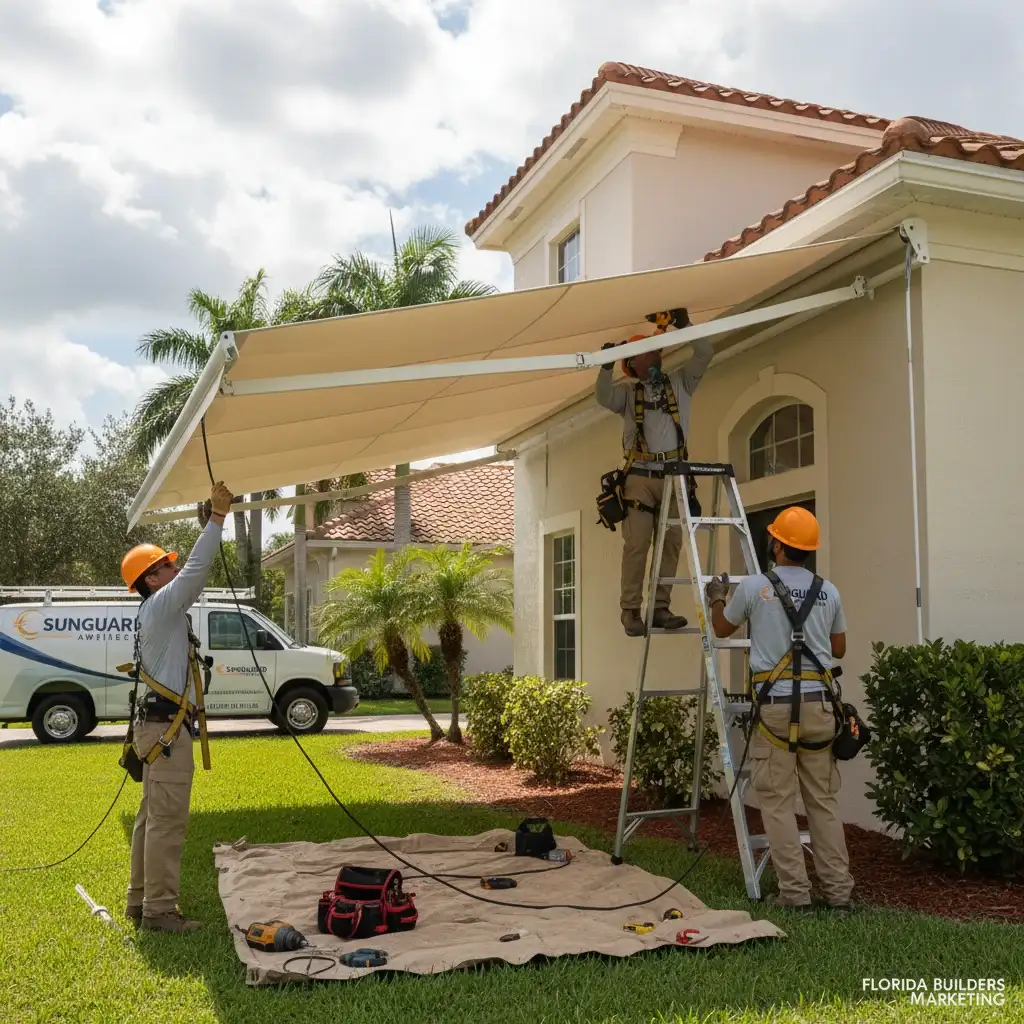
Florida has some of the strictest building codes in the nation, largely due to hurricane risk. Before installing an awning, you'll need to understand permit requirements, wind load specifications, and any HOA restrictions that may apply to your property.
Important Disclaimer
Building codes and permit requirements vary by county and municipality. This guide provides general information, but always verify requirements with your local building department before starting any project.
Do I Need a Permit for an Awning in Florida?
The answer depends on the type of awning and your location:
Generally Requires a Permit:
- Permanent attached awnings and patio covers
- Any structure over a certain size (often 120 sq ft)
- Motorized or electrical components
- Awnings that attach to the home's structure
- Commercial awning installations
May Not Require a Permit:
- Freestanding umbrellas and shade sails
- Small retractable awnings (varies by county)
- Temporary or portable shade structures
Our advice: Always check with your local building department. Installing without a required permit can result in fines, required removal, and problems when selling your home.
Florida Building Code Wind Requirements
The Florida Building Code (FBC) requires all permanent outdoor structures to withstand specific wind loads based on location. This is critical for awning installations.
Wind Speed Zones
Florida is divided into wind zones based on hurricane risk:
| Region | Design Wind Speed |
|---|---|
| Miami-Dade, Broward (HVHZ) | 175-180 mph |
| Coastal Palm Beach to Keys | 170 mph |
| Southwest Florida Coast | 150-160 mph |
| Central Florida | 130-140 mph |
| North Florida | 120-130 mph |
What This Means for Your Awning
Any permanent awning structure must be engineered and installed to withstand your local wind speed requirements. This affects:
- Frame construction: Heavier gauge materials for high-wind zones
- Anchoring: More robust mounting systems required
- Engineering: May require stamped engineering drawings
- Inspections: Building department will verify compliance
The High-Velocity Hurricane Zone (HVHZ)
Miami-Dade and Broward counties fall within the HVHZ and have additional requirements:
- Products must have Miami-Dade NOA (Notice of Acceptance)
- More stringent testing requirements
- Specific installation protocols
- Additional inspections may be required
If you're in the HVHZ, make sure your installer is familiar with these requirements and uses approved products.
Retractable Awnings: A Code-Friendly Option
Retractable awnings are popular in Florida partly because of their regulatory advantages:
- When retracted, they're not subject to wind load requirements
- Many jurisdictions have simpler permit processes for retractable systems
- Wind sensors provide automatic protection during storms
- Less likely to be damaged during hurricanes
However, even retractable awnings may require permits for the mounting structure and any electrical work for motorization.
HOA and Deed Restrictions
Many Florida communities have HOA rules governing outdoor structures. Common restrictions include:
- Color requirements: Must match or complement home exterior
- Style restrictions: Certain types may be prohibited
- Size limitations: Maximum projection or coverage area
- Approval process: May require architectural review board approval
- Placement rules: May restrict visibility from street
Always check with your HOA before installing any awning. Getting approval after installation is much harder than getting it beforehand.
The Permit Process: What to Expect
If your project requires a permit, here's the typical process:
Step 1: Application
Submit permit application to your local building department. Required documents typically include:
- Property survey or site plan showing awning location
- Product specifications and engineering data
- Installation details
- Contractor license information
Step 2: Review
The building department reviews your application for code compliance. This may take 1-4 weeks depending on complexity and department workload.
Step 3: Permit Issuance
Once approved, you'll receive a permit. Display it visibly at the work site during installation.
Step 4: Installation
Work must be performed according to approved plans by licensed contractors.
Step 5: Inspection
Schedule a final inspection with the building department. The inspector will verify the installation matches the approved plans and meets code requirements.
Working with a Professional Installer
Experienced local awning installers handle the permit process regularly and can:
- Pull permits on your behalf
- Provide necessary engineering documentation
- Ensure code-compliant installation
- Coordinate required inspections
- Navigate HOA approval processes
When getting quotes, ask installers if permit costs and coordination are included in their price.
Related Guides
Frequently Asked Questions
Do I need a permit for a retractable awning in Florida?
It depends on your county. Many Florida jurisdictions have simpler permit processes or exemptions for retractable awnings since they're not permanent structures. However, motorized awnings may require electrical permits. Always check with your local building department before installation.
How much does an awning permit cost in Florida?
Permit costs vary by county, typically ranging from $75 to $300 for residential awning installations. Commercial projects may cost more. Many professional installers include permit costs in their quotes and handle the entire application process for you.
What happens if I install an awning without a permit in Florida?
Installing without a required permit can result in fines, required removal of the structure, and complications when selling your home. Your homeowner's insurance may not cover damage to an unpermitted structure. It's always worth getting proper permits.
Does my HOA need to approve an awning installation?
If your property is in an HOA community, you likely need approval before installing any awning. Common HOA requirements include color matching with the home exterior, size limitations, style restrictions, and architectural review board approval. Apply before purchasing.
Find Awning Installers in Your Area
Browse verified awning installers in these popular Florida areas:
Find Awning Installers in Your Area
Connect with top-rated local awning companies for free quotes and expert advice.
View all Florida regions →Let the Pros Handle the Permits
Local installers know your area's requirements and handle permits for you.
Get Free Quotes →