Best Awnings for Florida Hurricane Season
How to choose and protect awnings that can handle Florida's stormy weather.
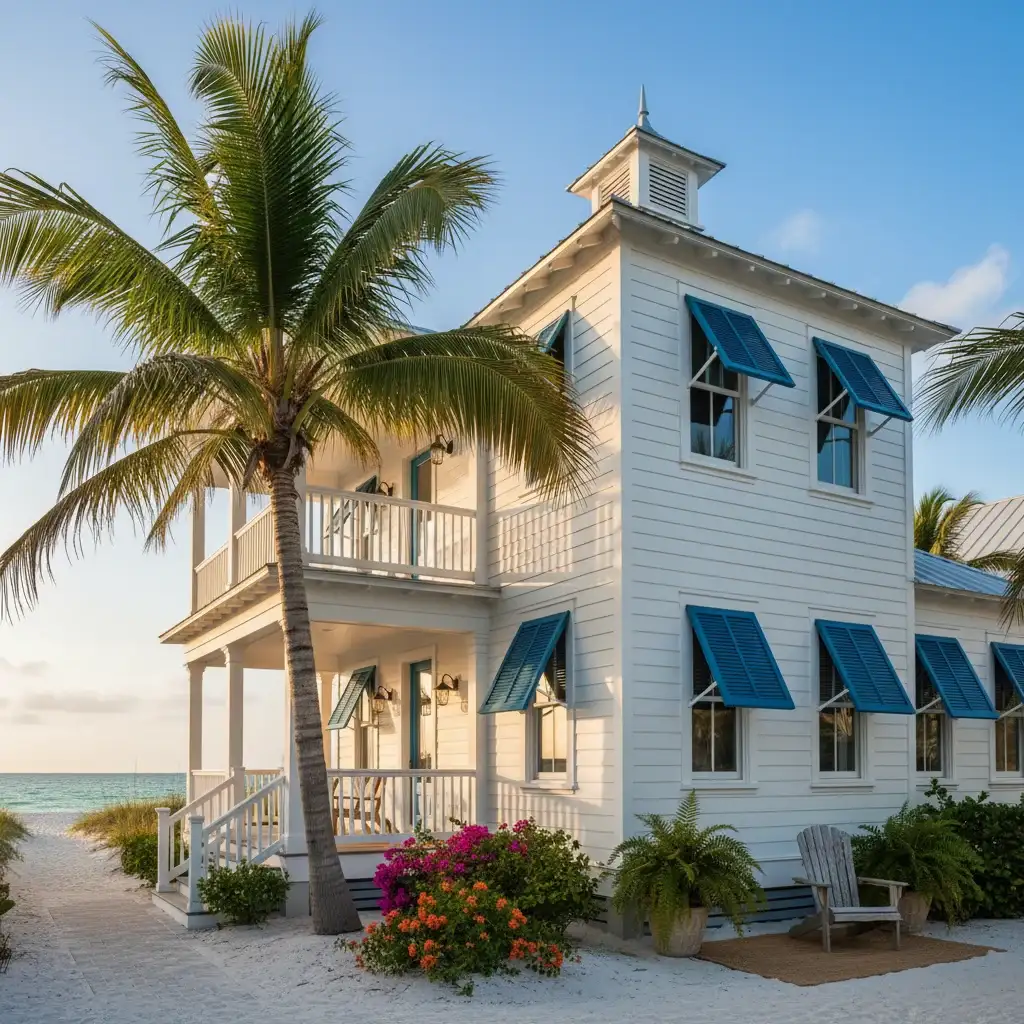
Florida awnings must meet local wind-load code: 170–180 mph in coastal South Florida, 150–160 mph southeast inland, 130–140 mph central, 120–130 mph north. Retract or remove fabric awnings before a storm; aluminum and hurricane-rated models can often stay up if properly installed and braced.
Living in Florida means preparing for hurricane season every year. For homeowners with awnings or those considering an installation, understanding wind ratings and storm protection is essential. The right awning choice and proper preparation can mean the difference between a minor inconvenience and expensive storm damage.
Understanding Wind Ratings
Florida has some of the strictest building codes in the nation, and awnings installed after 2002 must meet specific wind resistance requirements. The Florida Building Code specifies wind speed ratings based on your location:
Wind Speed Zones in Florida
- Coastal South Florida: 170-180 mph design wind speed
- Southeast Florida inland: 150-160 mph
- Central Florida: 130-140 mph
- North Florida: 120-130 mph
When shopping for awnings, ask installers about the rated wind speed of any permanent structure. A quality awning frame should be rated to meet or exceed your local code requirements.
Retractable Awnings: Your Best Storm Option
For most Florida homeowners, retractable awnings are the smartest choice for hurricane-prone areas. Here's why:
They Can Be Retracted Before Storms
The biggest advantage of retractable awnings is simple: you can put them away before a storm. A retracted awning sits safely in its housing, protected from wind and debris. This makes them far less likely to be damaged than fixed awnings.
Wind Sensors Add Automatic Protection
Motorized retractable awnings can be equipped with wind sensors that automatically retract the awning when wind speeds exceed a set threshold (typically 25-35 mph). This protects your awning even if you're not home or forget to retract it manually.
For Florida, we consider wind sensors essential—not optional. The additional $200-400 cost is well worth the protection.
Fixed Awnings: What to Look For
If you prefer a fixed awning or need one for a commercial application, here's how to ensure it can handle Florida weather:
Frame Construction
- Heavy-gauge aluminum: Minimum 0.050" thickness for structural members
- Stainless steel hardware: Prevents rust and maintains strength
- Welded connections: Stronger than bolted joints
- Proper anchoring: Must be secured to structural elements, not just stucco or siding
Fabric Considerations
- Hurricane-rated fabrics: Some fabrics are tested and rated for high-wind conditions
- Removable covers: Some fixed frames allow you to remove the fabric before storms
- Tensioned systems: Properly tensioned fabric is less likely to flap and tear
Hurricane Shutters vs. Awnings
Some homeowners confuse awnings with hurricane shutters. They serve different purposes:
- Awnings: Provide everyday shade and UV protection; should be retracted or removed during hurricanes
- Hurricane shutters: Specifically designed to protect windows from wind and debris during storms; deployed only during hurricanes
Many Florida awning companies also install hurricane shutters, so you can often get both from the same contractor.
Pre-Storm Checklist for Awning Owners
When a hurricane is approaching, follow this checklist:
48-72 Hours Before Storm
- Fully retract all retractable awnings
- Remove detachable awning covers and store indoors
- Secure any loose hardware or decorative elements
- Document your awnings with photos for insurance
- Check that wind sensors are functioning properly
- Clear debris from around awning mounting points
Insurance Considerations
Most homeowner's insurance policies cover awnings as "other structures" on your property, but coverage varies. Before a storm:
- Confirm your awnings are covered under your policy
- Document their value with receipts and photos
- Understand your deductible for wind/hurricane damage
- Know that improperly maintained awnings may not be covered
After the Storm
After a hurricane passes, inspect your awnings before extending them:
- Check mounting points for any loosening or damage
- Inspect the housing (for retractable) for debris or water intrusion
- Look for tears, stretching, or damage to fabric
- Test motorized systems carefully before full extension
- Have a professional inspect if you notice any issues
Related Guides
Frequently Asked Questions
Can awnings survive a Florida hurricane?
Retractable awnings should be retracted before any hurricane — when stored in their housing, they're protected from wind damage. Fixed awnings can be engineered for hurricane-force winds (120-180 mph depending on location) but must be specifically rated for your wind zone.
Do I need to remove my awning before a hurricane?
Retractable awnings should be fully retracted 48-72 hours before a storm. Motorized models with wind sensors may retract automatically. Fixed awnings designed for Florida's wind codes should remain in place. Removable fabric covers on fixed frames should be taken down and stored indoors.
What wind rating do awnings need in Florida?
Florida Building Code requirements vary by location: coastal South Florida needs 170-180 mph ratings, Central Florida needs 130-140 mph, and North Florida needs 120-130 mph. Miami-Dade and Broward counties (HVHZ) have the strictest requirements with additional product testing.
Are wind sensors worth it on Florida awnings?
Absolutely. Wind sensors cost $200-$400 and automatically retract motorized awnings when wind speeds exceed 25-35 mph. In Florida, where sudden afternoon storms are common, wind sensors protect your investment even when you're not home. We consider them essential, not optional.
Find Awning Installers in Your Area
Browse verified awning installers in these popular Florida areas:
Find Awning Installers in Your Area
Connect with top-rated local awning companies for free quotes and expert advice.
View all Florida regions →Get Storm-Ready Awnings
Connect with local installers who understand Florida's hurricane requirements.
Get Free Quotes →