Do Awnings Really Save on Energy Costs?
The real numbers on how exterior shading reduces AC bills in Florida's hot climate.
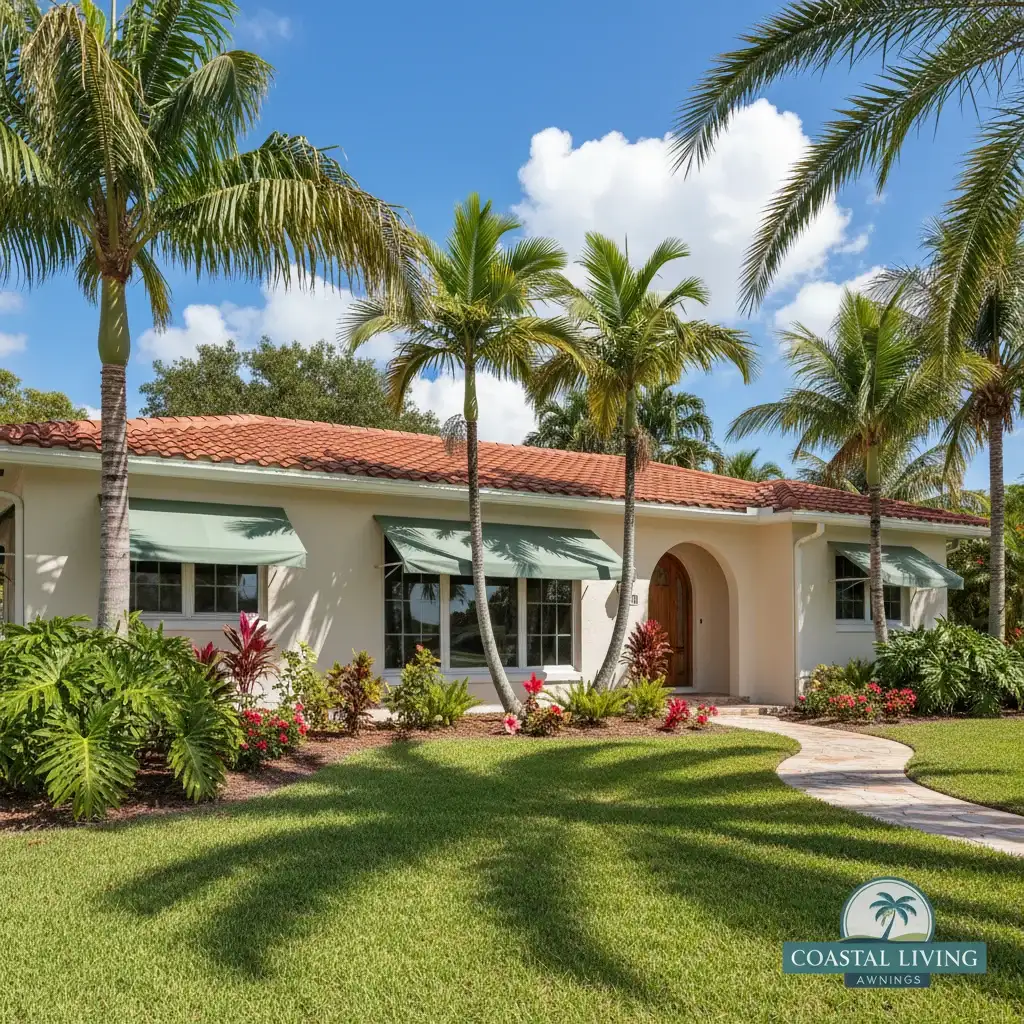
Florida homeowners spend an average of $2,400 per year on electricity, with air conditioning accounting for up to 50% of that cost. Exterior shading from awnings offers one of the most cost-effective ways to reduce cooling costs—and the savings are backed by research.
The Science: How Awnings Reduce Cooling Costs
When sunlight hits your windows and walls, it converts to heat inside your home. This solar heat gain forces your AC to work harder and longer. Awnings work by blocking this sunlight before it reaches your home's surfaces.
According to the U.S. Department of Energy, awnings can reduce solar heat gain by:
- 65-77% on south-facing windows
- 72-77% on west-facing windows
This is significantly more effective than interior treatments like blinds or curtains, which only block heat after it's already entered your home.
Real Energy Savings for Florida Homes
Studies from the Professional Awning Manufacturers Association (PAMA) found that awnings can reduce cooling energy consumption by 25% or more in warm climates like Florida.
Example Savings Calculation
| Average Florida electricity cost | $2,400/year |
| AC portion (50%) | $1,200/year |
| Potential savings (25%) | $300/year |
| 10-year savings | $3,000+ |
Which Awning Locations Save the Most?
Not all windows contribute equally to heat gain. Focus your awning investment on these high-impact areas:
1. West-Facing Windows (Highest Priority)
West-facing windows receive the most intense afternoon sun when temperatures are highest. Shading these windows provides the biggest energy savings.
2. South-Facing Windows
South-facing windows receive sun throughout the day. Large south-facing glass doors or windows are excellent candidates for patio awnings.
3. East-Facing Windows
Morning sun is less intense, but east-facing awnings still help, especially for bedrooms where you want to keep cool for sleeping.
4. Sliding Glass Doors
Large glass doors are major heat sources. A retractable patio awning can dramatically reduce heat gain while also creating usable outdoor space.
Light Colors Save More Energy
The color of your awning fabric affects its effectiveness. Light-colored awnings reflect more sunlight and heat away from your home:
- White or light colors: Reflect 70-80% of solar energy
- Medium colors: Reflect 50-60% of solar energy
- Dark colors: Reflect only 20-30% of solar energy
For maximum energy savings in Florida, choose lighter awning fabrics. If you prefer darker aesthetics, look for fabrics with reflective backing.
Awnings vs Other Energy-Saving Options
How do awnings compare to other common ways Florida homeowners reduce cooling costs?
| Solution | Cost | Energy Reduction |
|---|---|---|
| Exterior awnings | $1,500 - $7,000 | 25-35% |
| Window tinting/film | $500 - $2,000 | 10-20% |
| Interior blinds/curtains | $200 - $1,000 | 5-15% |
| Smart thermostat | $150 - $400 | 8-12% |
| Attic insulation upgrade | $1,500 - $3,500 | 15-25% |
Awnings are one of the most effective single improvements because they stop heat before it enters your home. Interior solutions like blinds only manage heat that's already inside. For maximum savings, combine exterior shading with interior treatments.
ROI: When Does an Awning Pay for Itself?
Based on typical Florida energy savings:
- A $2,500 motorized retractable awning saving $300/year pays for itself in 8-9 years
- A $1,000 fixed window awning saving $150/year pays for itself in 6-7 years
- Multiple window awnings ($2,500-$4,000 total) saving $400-$500/year pay for themselves in 5-8 years
Factor in the additional benefits—UV protection, outdoor comfort, reduced furniture fading, and increased home value—and the investment becomes even more attractive.
Real Florida Homeowner Scenarios
Here's what energy savings look like for different Florida home setups:
Scenario 1: Small Patio Awning
12-foot retractable awning over west-facing sliding glass doors
- Cost: ~$3,500 installed
- Annual savings: ~$250-$350
- Payback: 10-14 years (plus immediate outdoor living value)
Scenario 2: Window Awning Package
4 fixed awnings on south and west windows
- Cost: ~$2,400 installed
- Annual savings: ~$350-$450
- Payback: 5-7 years
Scenario 3: Full Home Shade Package
Motorized patio awning + window awnings on south/west
- Cost: ~$6,000-$8,000 installed
- Annual savings: ~$500-$700
- Payback: 9-13 years (plus significant comfort and furniture protection)
Maximizing Your Savings
To get the most energy savings from your awning:
- Extend retractable awnings during peak sun hours (10am-4pm)
- Choose light-colored, reflective fabrics
- Prioritize west and south-facing windows
- Ensure proper installation with minimal gaps
- Combine with other efficiency measures (window film, programmable thermostats)
- Consider motorized awnings with sun sensors that automatically extend when UV levels are high
Related Guides
Frequently Asked Questions
How much can awnings save on energy bills in Florida?
Studies show awnings can reduce cooling energy consumption by 25% or more in Florida. For a typical Florida home spending $2,400/year on electricity, that translates to roughly $300/year in savings, or $3,000+ over 10 years.
Which windows should I shade first for maximum energy savings?
West-facing windows provide the biggest energy savings because they receive the most intense afternoon sun when temperatures are highest. South-facing windows are the second priority, followed by east-facing windows and sliding glass doors.
Do awnings save more energy than window tinting?
Awnings are generally more effective than window tinting because they block solar heat before it reaches the glass. The DOE reports awnings reduce solar heat gain by 65-77% on south-facing windows, compared to 40-60% for most window films. Combining both provides the best results.
How long does it take for an awning to pay for itself in energy savings?
In Florida, a $2,500 motorized retractable awning saving $300/year in energy costs pays for itself in about 8-9 years. A $1,000 fixed window awning saving $150/year pays for itself in 6-7 years. Factor in furniture protection and added comfort for even faster ROI.
Find Awning Installers in Your Area
Browse verified awning installers in these popular Florida areas:
Find Awning Installers in Your Area
Connect with top-rated local awning companies for free quotes and expert advice.
View all Florida regions →Start Saving on Your Energy Bills
Get free quotes from local installers and start enjoying lower AC costs.
Get Free Quotes →