Preventing Mold & Mildew on Awnings in Florida
How to keep your awning clean and mold-free in Florida's humid subtropical climate.
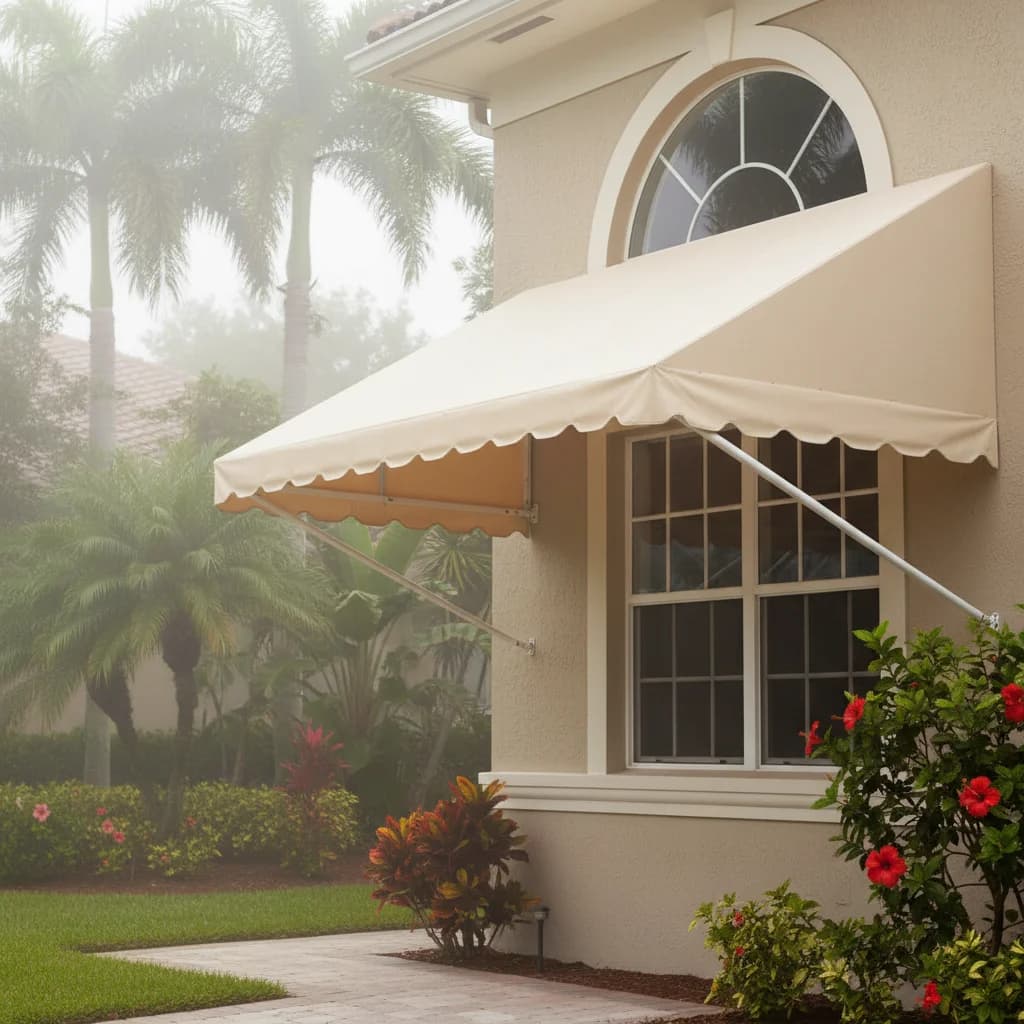
Florida's combination of heat, humidity, and frequent rain creates the perfect environment for mold and mildew growth. If you're investing in an awning, understanding how to prevent and address these issues is essential for protecting your investment and keeping your outdoor space looking its best.
Why Mold and Mildew Are Common on Florida Awnings
Mold and mildew are fungi that thrive in warm, moist environments—exactly what Florida provides for most of the year. They can grow on almost any organic surface, and awning fabrics can collect the pollen, dust, and debris that serve as food sources for these organisms.
Left unchecked, mold and mildew can:
- Cause permanent staining and discoloration
- Weaken fabric fibers over time
- Create musty odors
- Potentially trigger allergies for those nearby
Choosing Mold-Resistant Awning Materials
The best defense against mold starts with choosing the right awning fabric. Look for these features when shopping:
Solution-Dyed Acrylic (Like Sunbrella)
Solution-dyed acrylic fabrics are the gold standard for Florida awnings. The color is embedded throughout the fiber (not just on the surface), and these fabrics are treated with mold and mildew inhibitors during manufacturing. Sunbrella, the most popular brand, offers a 10-year warranty against mold and mildew damage.
Vinyl-Coated Polyester
Vinyl-coated fabrics are naturally resistant to mold because they don't absorb moisture. They're easier to clean but may not be as breathable or aesthetically pleasing as acrylic options.
Materials to Avoid
Cotton canvas and untreated polyester are poor choices for Florida's climate. They absorb moisture, dry slowly, and provide ideal conditions for mold growth.
Maintenance Schedule for Florida Awnings
Regular maintenance is key to preventing mold problems. Here's a recommended schedule:
Recommended Maintenance Schedule
- Weekly: Brush off loose debris (leaves, pollen, dirt)
- Monthly: Rinse with clean water from a garden hose
- Quarterly: Light cleaning with mild soap solution
- Annually: Deep clean and inspect for any mold spots
- After storms: Check for and remove any standing water or debris
How to Clean Mold and Mildew from Your Awning
If you notice mold or mildew spots, address them promptly before they spread:
Step 1: Brush Off Loose Debris
Use a soft-bristle brush to remove any loose dirt, leaves, or debris. Work gently to avoid damaging the fabric or pushing mold deeper into the fibers.
Step 2: Prepare a Cleaning Solution
For solution-dyed acrylic fabrics like Sunbrella, mix:
- 1 cup of bleach
- 1/4 cup of mild dish soap
- 1 gallon of water
Important: Always check your awning manufacturer's cleaning recommendations first. Some fabrics may require different cleaning solutions.
Step 3: Apply and Soak
Apply the solution to the affected areas and let it soak for 15-20 minutes. For stubborn mold, you may need to let it sit longer, but don't let the solution dry on the fabric.
Step 4: Scrub Gently
Use a soft brush to scrub the mold spots. Work in circular motions and avoid excessive pressure that could damage the fabric coating.
Step 5: Rinse Thoroughly
Rinse the entire awning with clean water until all soap residue is removed. Soap left behind can actually attract more dirt and promote mold growth.
Step 6: Allow to Dry Completely
This is critical in Florida's humid climate. Leave the awning extended in full sun until completely dry before retracting. Storing a damp awning is the fastest way to develop mold problems.
Tips for Preventing Future Mold Growth
- Maximize airflow: When possible, leave some space for air circulation around the awning
- Retract when not in use: A retracted awning stays drier and is less exposed to pollen and debris
- Trim nearby vegetation: Overhanging branches drop debris and block sunlight that helps dry the fabric
- Apply fabric protector: After deep cleaning, apply a fabric guard product designed for outdoor use
- Never store wet: If the awning is wet, wait for it to dry before retracting
When to Call a Professional
Consider professional cleaning if:
- Mold covers a large area or has penetrated deep into the fabric
- DIY cleaning hasn't resolved the problem
- The awning is difficult to access safely
- You're unsure about the proper cleaning method for your specific fabric
Many awning installers offer maintenance services or can recommend trusted cleaning professionals in your area.
Related Guides
Frequently Asked Questions
How do I prevent mold on my awning in Florida?
Choose mold-resistant fabrics like solution-dyed acrylic (Sunbrella), follow a regular maintenance schedule (weekly debris removal, monthly rinse, quarterly cleaning), and never store a wet awning. Retract your awning to allow it to dry completely after rain before storing.
What is the best fabric to prevent mold in Florida?
Solution-dyed acrylic fabrics like Sunbrella are the gold standard for Florida. They have mold and mildew inhibitors woven into the fibers and come with a 10-year warranty against mold damage. Vinyl-coated polyester is also naturally mold-resistant but less breathable.
How do I remove mold from my awning?
Mix 1 cup bleach, 1/4 cup mild dish soap, and 1 gallon of water. Apply to affected areas, let soak for 15-20 minutes, scrub gently with a soft brush, then rinse thoroughly. Always let the awning dry completely before retracting. Check your fabric manufacturer's cleaning guidelines first.
How often should I clean my awning in Florida to prevent mold?
In Florida's humid climate, brush off debris weekly, rinse with water monthly, do a light soap cleaning quarterly, and deep clean annually. Coastal locations may need more frequent cleaning due to salt spray. Always clean promptly after storms.
Find Awning Installers in Your Area
Browse verified awning installers in these popular Florida areas:
Find Awning Installers in Your Area
Connect with top-rated local awning companies for free quotes and expert advice.
View all Florida regions →Looking for a Low-Maintenance Awning?
Local installers can recommend the best mold-resistant options for your Florida home.
Get Free Quotes →